
Storing a Generator Set for Months of Idle Time
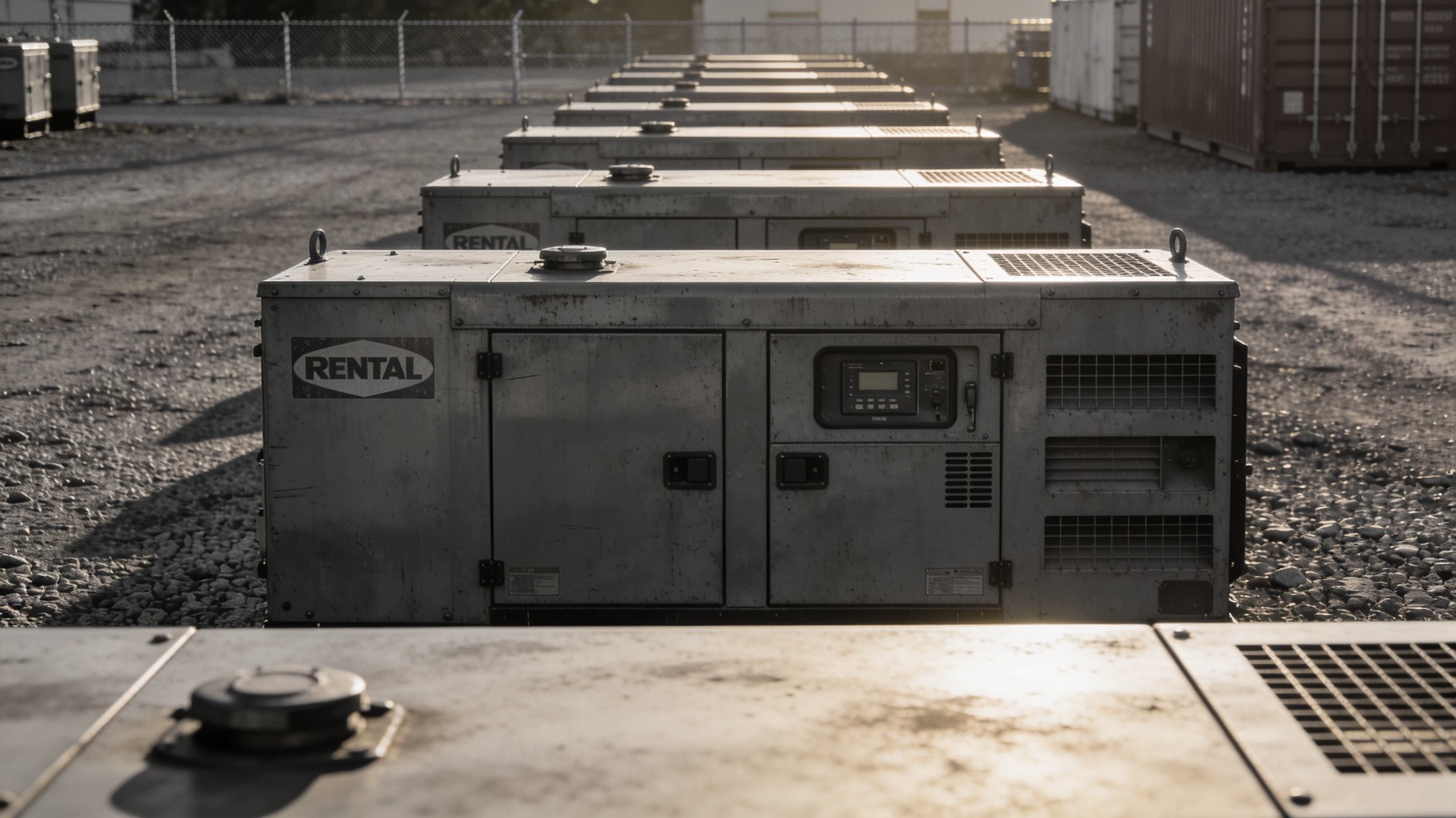
A set parked for months degrades from inactivity faster than one that runs. Fog the cylinders, stabilise the fuel, keep the battery and review the storage plan before it stands down.
A generator set that sits unused rots from inactivity, not from use. Fuel gums, the battery sulphates, seals dry and the injection system corrodes. If a set will stand down for months, preserve it deliberately: stabilise the fuel, protect the engine internals, maintain the battery and review the plan before it is parked. The maintenance schedule pauses, but a storage plan replaces it, and the spare parts plan keeps the right items on hand for restart. If you are specifying a set for intermittent duty, the diesel generator sets page covers the build options.
Why idle storage is harder than running
A working set circulates oil and fuel, keeps the battery charged and stays warm enough to avoid condensation. A stored set does none of that, so the failure modes are different: oxidation inside the cylinders, microbial growth in diesel, flat batteries and seized mechanisms. The risk is highest in hot, humid climates and where the fuel sits in the tank for a season. The site temperature that drives derating in service also drives corrosion in storage.
The storage checklist
| Area | Action before storage | Why |
|---|---|---|
| Fuel system | Fill the tank, add stabiliser, treat for microbes | A full tank reduces condensation; stabiliser stops gum and algae |
| Engine internals | Fog the cylinders, change oil if due | The oil film protects bores from rust while standing |
| Battery | Disconnect or put on a float charger | Prevents sulphation and a dead start later |
| Cooling | Check antifreeze strength, drain if freezing risk | Avoids a cracked block in cold storage |
| Exhaust and intake | Cover to keep out vermin and moisture | Stops nests, corrosion and blocked pathways |
| Electrics | Wrap and label, keep the manual with the set | Speeds a correct restart after stand-down |
Fuel is the first thing to go bad
Diesel stored in a warm tank grows microbes and drops sediment that clogs the injection system on restart. Filling the tank, adding a biocide and a stabiliser, and keeping water out of the bottom are the cheapest insurance there is. If the set will stand more than a season, plan a fuel test before restart rather than assuming the tank is still good. The fuel planning note covers quality as well as quantity, and the dual-fuel case needs the same discipline for the gas train.
The battery dies quietly
A disconnected or uncharged battery sulphates and loses capacity with no warning until the start fails. Either remove it to a trickle charger or leave it on a proper float charger, and check it on a calendar, not by memory. For a standby set this is the single most common reason it does not start when called, which is why the fault list leads with start failures.
Before it goes back into service
- Inspect the fuel: sample, look for water and slime, treat or replace if poor.
- Check the battery: charge, load-test and clean the terminals.
- Crank and run unloaded, then loaded, to confirm output before relying on it.
- Review the alarm log from the last run and clear any latched fault.
Storage is not doing nothing. Sets returned to service after a long stand-down without this review are the ones that fail on the first real outage. Tie the restart check to the maintenance log so the hours and the stand-down both count, and keep the spare parts list current for what you might need.
Questions buyers ask about storage
Frequently asked questions
Should I fill the fuel tank for storage?
Yes, a full tank leaves less air space for condensation and slows microbial growth. Add a stabiliser and, in warm climates, a biocide, and keep water out of the bottom of the tank.
How often should I start a stored set?
If it is not on a full storage plan, a short loaded run every few weeks is the fallback. A proper preservation plan with a maintained battery is better than relying on occasional exercise.
Can I just leave the battery connected?
Only if it is on a float charger. A battery left connected to a set with parasitic drain and no charge will be flat within weeks.
How long can diesel sit in the tank?
Months with stabiliser and a full tank in temperate conditions; less in heat and humidity where microbes grow. Test the fuel before a long stand-down ends rather than assuming it is still good.
Do I need to fog the engine for a few months?
For anything beyond a couple of months, yes, a light fogging protects the cylinder bores from rust. For a short stand-down, fresh oil and a sealed intake may be enough, but fogging removes the doubt.