
Spare Parts Planning: Building a Consumables List from the Serial Number
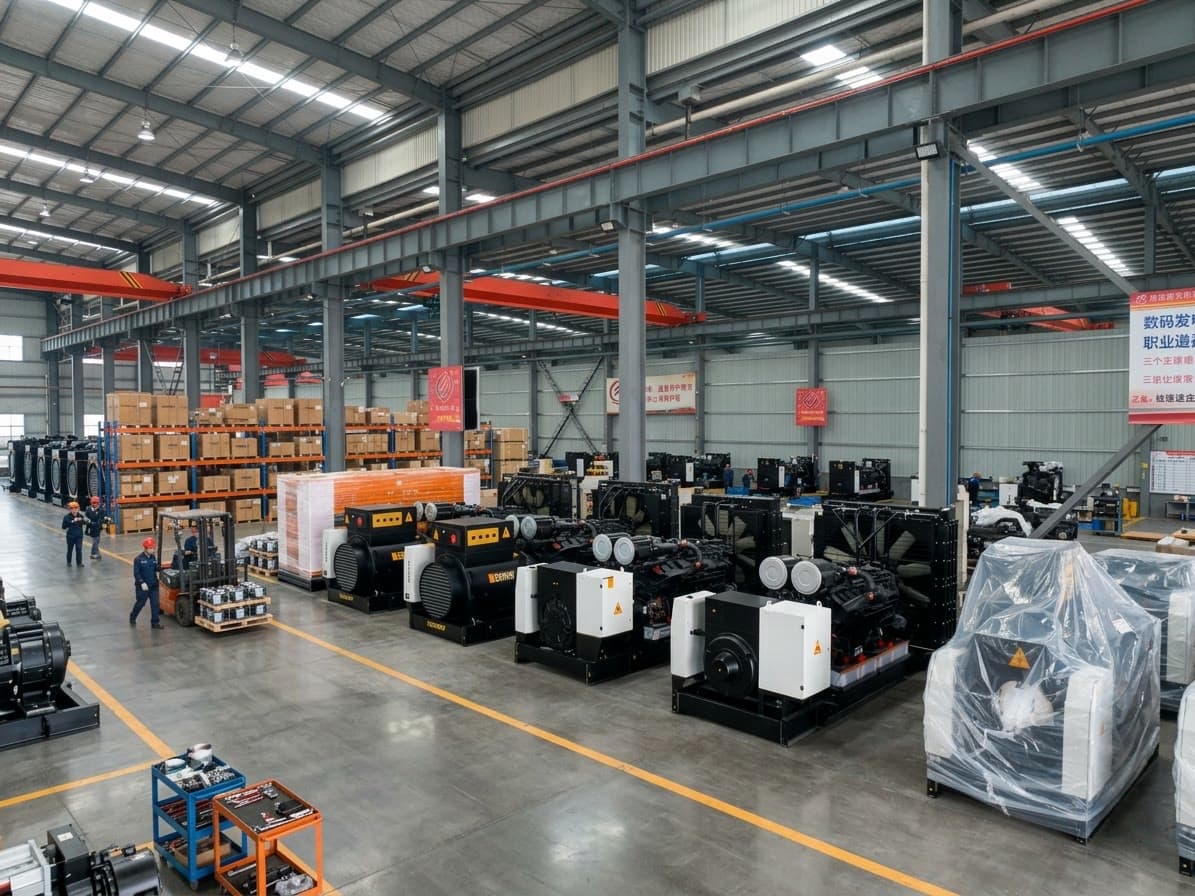
A critical spares list tied to the set's serial number turns a minor fault into a quick fix instead of a long outage. Build it from the manual, stock the consumables, and keep the list with the set.
The difference between a one-day repair and a three-week outage is usually a single filter or sensor on the shelf. A spare parts plan built from the set's serial number and engine family turns a minor fault into a quick fix. Stock the cheap consumables, keep a critical list tied to the exact model, and review it as the set ages. The 135 series guide shows the same thinking for a mid-power Chinese platform, and the maintenance schedule is what the parts feed. Ask the supplier for the list when you request a quotation.
Why a serial-number list, not a generic one
Generators that look identical on paper use different filters, sensors and even injectors across variants and years. A list built from the serial number and the engine family names the exact part numbers, so the right box arrives instead of the almost-right one. This matters most for Chinese platforms with frequent variant changes, where the family name alone is not a specification. The Yuchai and Weichai guides both stress confirming the exact variant before ordering anything.
What to stock, by criticality
| Category | Typical items | When to stock |
|---|---|---|
| Filters | Oil, fuel, air | Always, they are cheap insurance |
| Belts and hoses | Drive belt, coolant and fuel hoses | If the set is critical or remote |
| Starting | Starter, solenoid, battery | Always, a set that cannot start is down |
| Injection and cooling | Injectors, water pump, thermostat | If lead times are long or duty is hard |
| Sensors | Oil pressure, coolant temp, speed | If local supply is slow |
Consumables first, big items by risk
Stock every filter and belt; they are cheap, they wear on a schedule, and they fail predictably. Hold injectors, a water pump or a thermostat only where the set is critical and the lead time is long, because those tie up capital and can age on the shelf. The aim is to cover the failures that actually strand a site without building a warehouse. The fault list shows which items cause the downtime.
Keep the list with the set
- Tie it to the serial number and the engine variant, with part numbers, not descriptions.
- Update it when the set is serviced or a part is superseded.
- Store the critical items where they are found fast, not in a distant warehouse.
- Hand the list to the operator and the supplier so both can act without a search.
Spares and the maintenance clock
The spare parts plan and the maintenance schedule are one loop: the schedule says what wears, the spares list says what to have ready. A service due with no filter on the shelf slips, and the set runs dirty until the part arrives. Closing that loop is the unglamorous reason reliable fleets stay reliable. For a rental or mining fleet this discipline is what keeps utilisation up, as the rental fleet guide and the mining guide both depend on, and the storage plan relies on it for a clean restart.
Ask the supplier for the critical spares list tied to your serial number at order stage, not after the first fault. It is the document that decides your downtime, and it should travel with the set's file alongside the test report.
Questions buyers ask about spare parts
Frequently asked questions
What spare parts should I always keep?
Every filter, oil, fuel and air, a drive belt, and a starter or at least a solenoid and battery. These are the cheap items that cause most downtime, so they are worth always having.
Do I need a full engine rebuild kit on the shelf?
Almost never. That ties up capital and the parts can age. Stock consumables and a few critical items by risk; source big components against the lead time when a failure actually happens.
How do I get the right part numbers?
From the set's serial number and engine variant, via the supplier or the engine manual. A generic list by family name misses the variant changes that matter.
Should the spare list change over time?
Yes. As parts are superseded or the set ages, update the list, and add anything that failed in the field. A static list goes stale and fails you on the one part you forgot.
Who holds the spares, the operator or the supplier?
Both should know the list. Keep critical consumables where the operator reaches them fast, and keep the supplier informed so they can ship the longer-lead items without a search.
Does a spare parts plan help warranty claims?
Indirectly. Warranty covers defects, but a claim needs proof the set was serviced with correct parts on schedule. The spares list and the maintenance log together build that proof.