
Shipping a Generator Set: Container Loading, Packing and Insurance
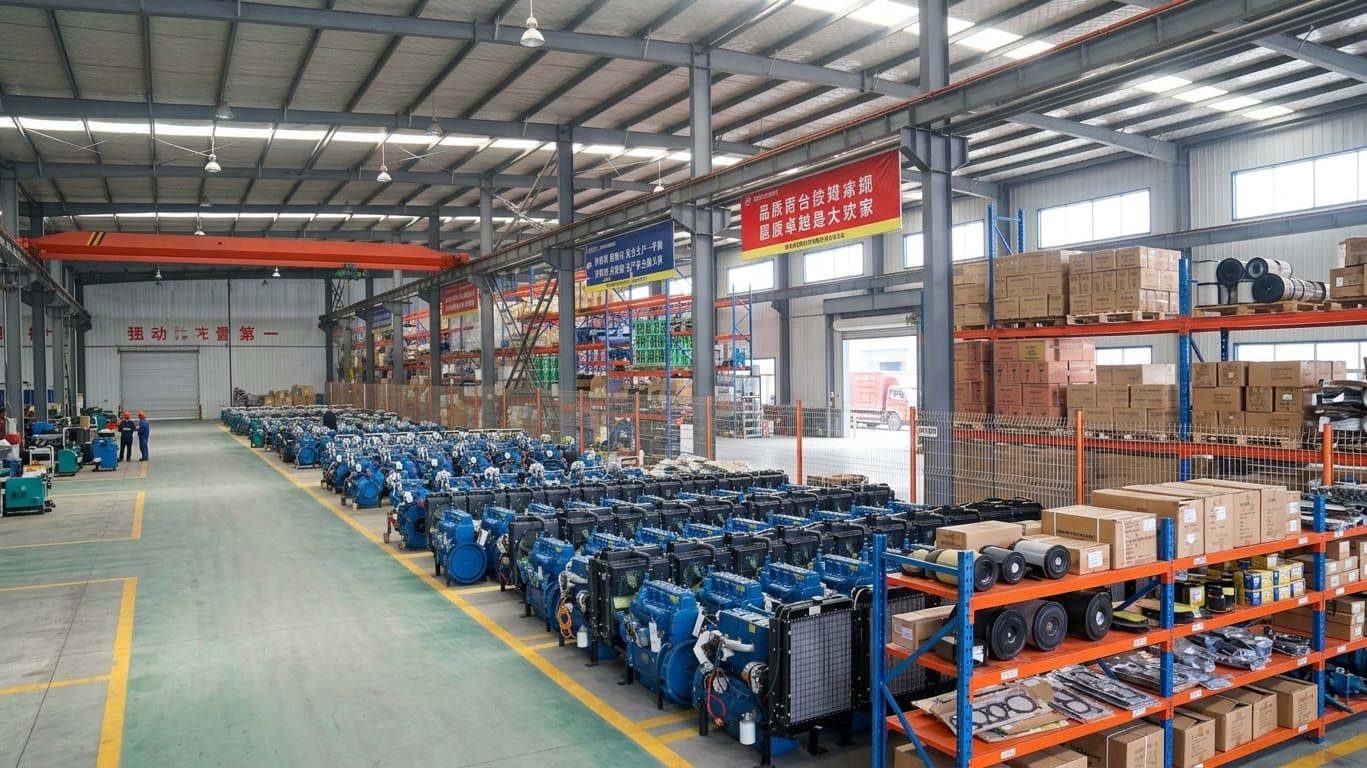
Most sets ship in a 20 ft or 40 ft container, secured on a steel skid with the controller protected. Choose FOB or CIF, confirm the packing method, and insure to the landed value, not the ex-works price.
Most generator sets ship in a 20 ft or 40 ft container, mounted on a steel skid with the controller protected and the whole unit lashed down. The commercial choices are FOB or CIF, the packing method has to suit a sea voyage, and the cargo should be insured to landed value. The payment and Incoterms note sets the terms this sits on.
Which container fits the set
An open or silent set up to a few hundred kW usually fits a 20 ft box; larger silent sets, mobile sets on trailers, and containerised builds need a 40 ft box or flat rack. The crate dimensions and weight from the supplier decide it, so ask for them before you book freight.
| Set type | Typical container |
|---|---|
| Open or silent, smaller | 20 ft |
| Larger silent or mobile | 40 ft |
| Containerised build | Ships as the box itself |
| Oversize enclosures | Flat rack or open top |
How the set is packed
The set is bolted to a steel skid, wrapped against moisture, and the controller and exposed ports are capped or boxed so sea air and handling do not reach them. KINBOOST crates sets at the Weifang works and protects the control panel for the voyage, because a damaged controller is the most common transit loss.
Securing and lashing
The skid is lashed to the container floor with straps and, for heavy sets, welded or braced blocks so the unit cannot shift in a seaway. Poor lashing is a frequent cause of transit damage, so confirm the method, not just that the set is inside a box.
FOB, CIF or CIP
FOB means the supplier loads the ship and you take the freight from there; CIF means the supplier pays freight and insurance to your port; CIP extends that to a named place inland. The choice decides who books the carrier and who carries the risk, and the Incoterms note explains the split.
Insurance to landed value
Insure the cargo to its landed value, not the ex-works price, because that is what you lose if it is damaged or lost in transit. A policy to ex-works value leaves the freight and the duties unrecoverable, and the landed cost note shows what those add up to.
Documents for the carrier
- Bill of lading, made out to the correct party
- Commercial invoice and packing list with weights and dimensions
- Insurance certificate where the term requires it
- Conformity documents for the destination market
Frequently asked questions
Which Incoterm should I choose for shipping?
FOB if you want to control the freight, CIF if you want the supplier to pay freight and insurance to your port, and CIP to extend that to a named inland place. The Incoterms note sets out who carries the risk.
How should the set be packed for sea?
Bolted to a steel skid, wrapped against moisture, with the controller and ports protected, then lashed to the floor. A damaged controller is the most common transit loss, so the panel protection matters most.
Do I need a 20 ft or 40 ft container?
Smaller open or silent sets fit a 20 ft box; larger silent, mobile and containerised builds need 40 ft or a flat rack. The supplier's crate dimensions decide it, so ask before booking.
Should I insure to ex-works value?
No, insure to landed value, because that is what you lose if the cargo is damaged or lost. Ex-works cover leaves the freight and duties unrecoverable.
Who handles the Bill of Lading?
The party named by the Incoterm. Under FOB the buyer usually controls it via their forwarder; under CIF the supplier arranges it. Make sure it is made out to the correct consignee either way.