Generator Lead Times, MOQ and Payment Terms: What a Chinese Supplier Expects
A built to spec set typically needs 15 to 35 days after deposit, longer for containerised or dual-fuel builds. Minimum order is usually one unit, payment runs 30 percent deposit with the balance before loading, and the Incoterm decides who owns the freight.
Lead time, minimum order quantity and payment terms are the commercial half of any generator purchase, and they are more standard than first time buyers expect. A built to spec set usually needs 15 to 35 days after deposit, one unit is a normal minimum, and payment runs on a deposit with balance before loading. The ranges below are planning figures, confirmed against your actual order.
Typical lead time by build form
The build form drives the schedule more than the power rating. An open or silent set on a stock engine is quick; a containerised or dual-fuel build adds fabrication and a gas train. These are planning ranges, not a quote, and the engine brand allocation can move them either way.
| Build form | Typical days after deposit |
|---|---|
| Open frame | 15 to 25 |
| Silent canopy | 18 to 28 |
| Mobile or trailer | 20 to 30 |
| Containerised | 30 to 45 |
| Dual-fuel (add to above) | 10 to 15 extra |
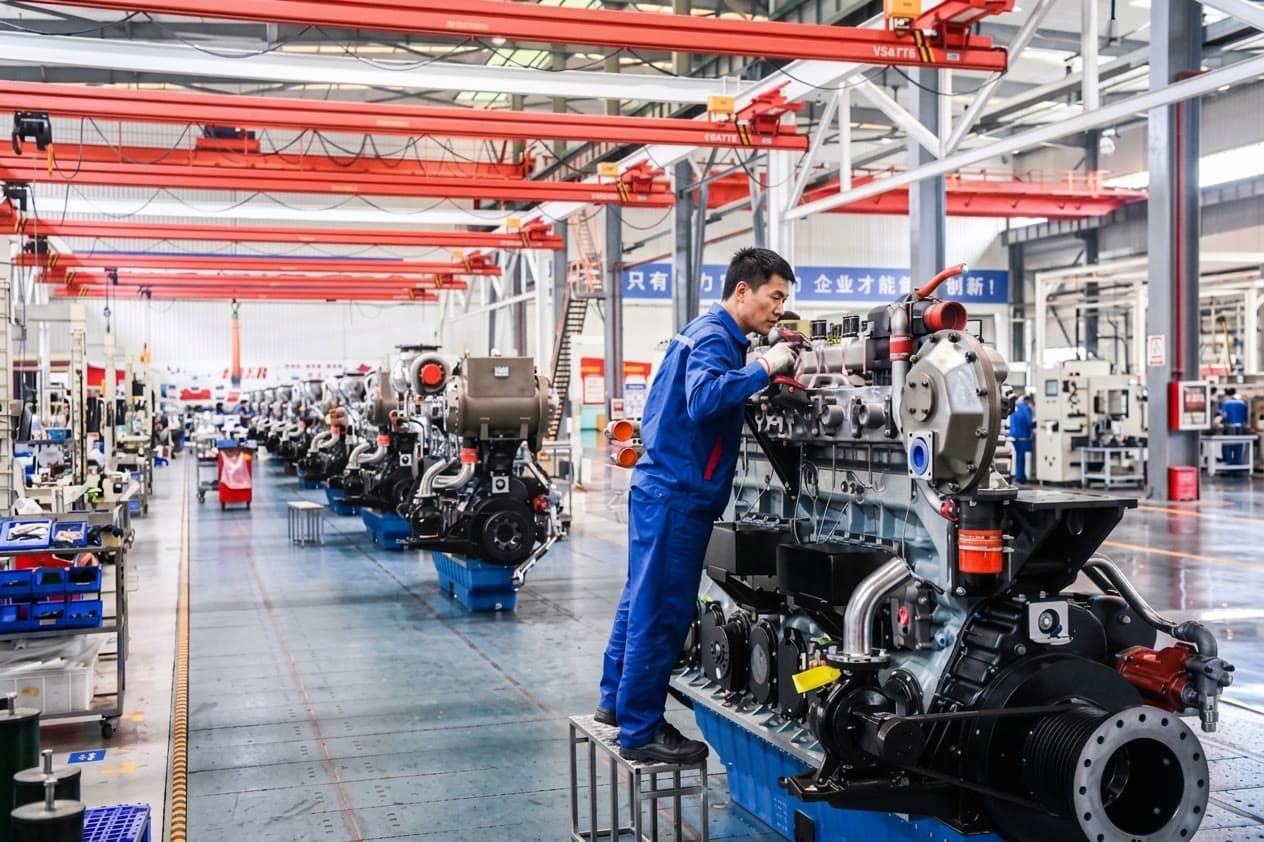
KINBOOST builds at the Weifang production floor and ships from a nearby ocean port, so the schedule above is the works time plus freight, not including your local clearance. Always confirm the window against the signed order, because a specific engine allocation can shorten or extend it.
Minimum order quantity
For complete sets the minimum is normally one unit. What changes with volume is the engine brand allocation and the spare parts terms: a single set ships on its own lead time, while a fleet order lets the supplier hold common spares and standardise the build. The spare parts plan matters more than the unit count for fleet buys.
How payment is normally structured
Most orders use a 30 percent deposit to start production with the 70 percent balance paid before loading, confirmed against the test report. Larger or first time orders often use a letter of credit at sight, which puts a bank between both parties. The exact split is negotiable, but the deposit plus pre loading balance pattern is the common one.
| Method | When it is used |
|---|---|
| 30 percent deposit, 70 percent before loading | Most standard orders by telegraphic transfer |
| Letter of credit at sight | Larger or first time orders needing bank backing |
| Stage payments | Containerised or dual-fuel builds with long lead |
Incoterms and who carries the risk
The Incoterm in the contract decides who pays freight and insurance and who owns the goods at each step. Pick it deliberately, because the cheapest ex works price can become the most expensive once you add freight, insurance and port handling you did not plan for. This dovetails with the container shipping note.
| Term | Buyer carries from |
|---|---|
| EXW | The supplier's works gate |
| FOB | On board the vessel at the load port |
| CIF | Your destination port (freight and insurance paid) |
| DAP | Your named place, duty unpaid |
What shortens or lengthens the schedule
- Stock engine vs allocated engine: a stocked platform ships faster
- Standard build vs custom enclosure: custom sheet metal and paint add days
- Dual-fuel or special controls: extra procurement and testing
- Peak season at the port: book the slot early to avoid a wait
Tie the schedule to inspection
The balance payment should follow evidence, not a promise. Ask for the load-bank report or a witnessed test before the balance is due, and line it up with the load-bank report guide so you know what the readings should show. KINBOOST can schedule the test at the Weifang works before the crate is sealed.
Frequently asked questions
What is the real minimum order?
One complete set is a normal minimum. Volume matters more for engine allocation and spare parts standardisation than for the order floor, and the spare parts note covers the fleet angle.
Is 30/70 the only payment option?
No, but it is the common one. Larger first orders often use a letter of credit at sight, and long lead containerised or dual-fuel builds may use stage payments tied to milestones.
Why does dual-fuel take longer?
It adds a gas train, controls and safety system to a diesel base, plus extra testing. Expect roughly 10 to 15 extra days on top of the base build form.
Should I choose EXW to save money?
Only if you have a freight forwarder ready. EXW leaves you to collect from the works and arrange everything, and the unseen freight and insurance often cost more than the saving. FOB or CIF are simpler for most buyers.
Can I inspect before final payment?
Yes, and you should. Request the load-bank report or a witnessed test at the works before the balance is due, so the evidence arrives before the crate is sealed.