
SONCAP for Generators: What Nigerian Buyers Need Before the Container Sails
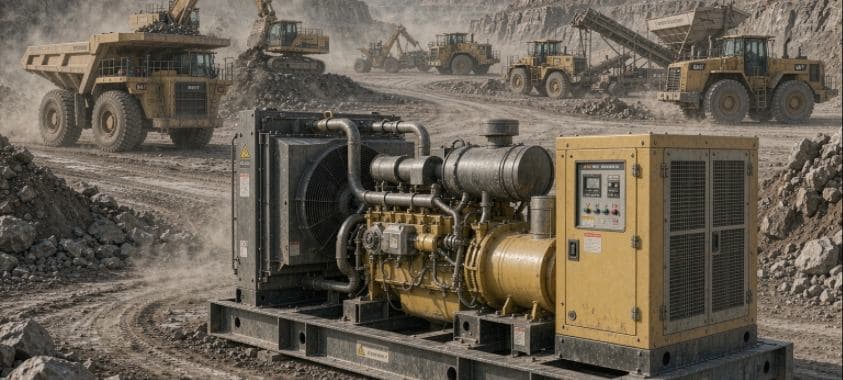
Nigerian imports need a SONCAP certificate backed by a Product Certificate from an approved body. The generator must carry the right rating label and test report, or the container is held at the port.
Nigeria clears generator imports through SONCAP, a certificate backed by a Product Certificate issued by an approved body. Without it the container is held at the port, so the rating label and the test report have to be right before the set sails. This note covers the documents and the common reasons shipments stall.
The two certificates
SONCAP rests on two documents. The Product Certificate (PC) registers the product type with an approved certification body, and the SONCAP Certificate (SC) is issued per shipment once the PC is in place and the documents check out. You cannot obtain the SC without a valid PC, so the PC comes first.
What the supplier must provide
The supplier prepares the technical file: the rated output, the standard the set meets, the test report for the serial number, and the rating label. The ISO 8528 ratings guide sets out the rating basis the label should state, and the load-bank report guide covers the test evidence.
| Document | Purpose |
|---|---|
| Product Certificate (PC) | Registers the product type with the body |
| SONCAP Certificate (SC) | Clears the specific shipment |
| Test report (serial number) | Proves this unit was tested |
| Rating label | States output, voltage, frequency, rating |
Rating label and test report
The label must state the rated output in kW and kVA, the voltage and frequency, and the rating basis. The test report must belong to the serial number on the crate, not a model certificate, because Nigerian inspection checks the unit against its own paperwork. A mismatch is a common hold reason.
Timeline and who pays
The PC is obtained before shipment and the SC is issued against the final commercial documents. Fees sit with the importer as part of landed cost, and the process is smoother when the supplier hands over a clean technical file early. Build the certificate time into the schedule, not on top of it.
Common reasons containers are held
- Missing or expired Product Certificate
- Test report for a model, not the serial number
- Rating label that does not match the invoice
- Late SC application after the container has sailed
How KINBOOST handles Nigeria shipments
KINBOOST supplies the rated set with the test report and label matched to the serial number, prepares the technical file for the certification body your agent names, and ships from a nearby ocean port so the SC can be issued against the final documents. The buyer's clearing agent drives the SONCAP application; the supplier provides the evidence.
Frequently asked questions
Can I ship first and get SONCAP later?
No. The SONCAP Certificate is issued per shipment and checked on arrival. A container without it is held, so the certificate must be in hand before the set sails.
What is the difference between PC and SC?
The Product Certificate registers the product type with an approved body and comes first. The SONCAP Certificate clears the specific shipment and needs a valid PC behind it.
Why does the serial number test report matter?
Because inspection checks the unit against its own paperwork. A model certificate does not prove your crate was tested, and that mismatch is a frequent hold reason.
Who applies for SONCAP, buyer or supplier?
The importer or their clearing agent applies, using the technical file the supplier provides. KINBOOST prepares the rated set, the label and the test report so the application goes through cleanly.
How long does the certificate take?
It depends on the body and how complete the file is. Build it into the schedule from the start; a late application after sailing is the most common way a container is held.