
ISO 8528 Generator Ratings Explained: ESP, PRP and COP in Plain Terms
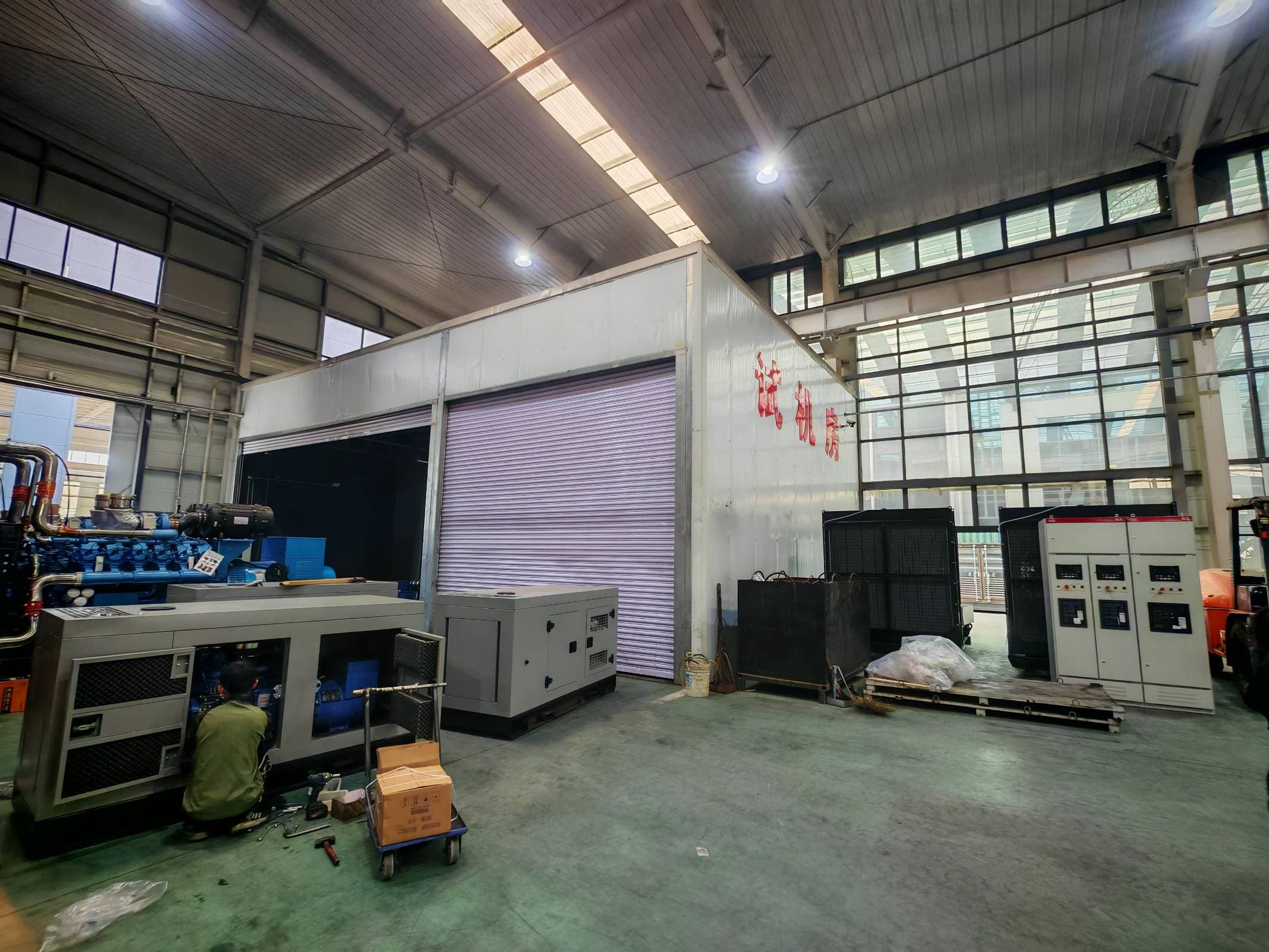
ISO 8528 defines three generator ratings, ESP, PRP and COP. Understand what each allows so you buy the duty the site needs and pay the right price.
ISO 8528-1 defines three generator ratings, and the one you buy changes the price by 20 to 25 percent for the same engine. ESP is for outage-only standby with no overload. PRP is for running alongside the grid with 10 percent overload for an hour in twelve. COP is for continuous duty as the only source of power. Pick the duty first in the sizing method, then read the rating. When the rating is fixed, the buyer's process guide covers reading the quote and confirming the test before you pay.
The three ratings at a glance
The ratings exist because a set used for a few hours a year during outages is built and cooled very differently from a set that is the only power source for a remote site. The rating sets the cooling, the service interval and the warranty, not just the number on the nameplate.
| Rating | Definition | Overload | Typical use |
|---|---|---|---|
| ESP (Standby) | Available for the duration of a mains outage | None | Backup only, limited annual hours |
| PRP (Prime) | Continuous under varying load | 10% for 1h in 12 | Rental, telecom, remote industry |
| COP (Continuous) | Unlimited hours at constant load | None | Only source of power, 24/7 |
Why the rating changes the price
A standby-rated set can be built lighter and cooled for intermittent use, so it costs less. A prime or continuous set carries heavier cooling, a stronger alternator and a service schedule matched to the hours, and that costs more. Buying standby when you need prime is the classic false economy: the set is under-built for the hours you will actually ask of it. The gap between ratings is the same point covered in the kVA versus kW discussion, just from the duty side.
Reference conditions for every rating in ISO 8528-1 are 25 °C ambient, 100 m altitude and 30% relative humidity. Any published figure is stated there unless the row says otherwise, so a hot or high site always needs derating on top, as the derating guide shows.
Matching a rating to your duty
- Outage backup only: ESP is the right and cheapest answer, provided the annual running hours stay low.
- Running alongside the grid or as a rental unit: PRP is the usual choice, with the 10% overload covering motor starts.
- The only source of power, 24/7: COP, sized for the constant load with no overload assumption.
- Uncertain duty: specify PRP rather than ESP, because a prime-rated set can do standby but not the reverse.
Questions buyers ask about ISO 8528
Frequently asked questions
Is ISO 8528 a certification or a rating standard?
It is the rating and performance standard that defines ESP, PRP and COP and the test conditions. Conformity to it is what a datasheet means when it quotes those ratings; it is separate from CE or ISO 9001 certification.
Can a standby set be run as prime?
Not as rated. Running an ESP-rated set for prime hours voids the duty assumption behind the rating and risks cooling and warranty problems. If the duty is uncertain, specify PRP.
Why is there a 10% overload on prime?
Because prime duty has a varying load, and the standard allows a 10% overload for one hour in any twelve to cover a momentary peak, such as a motor starting. Continuous duty allows no such overload.
Do the ratings apply to gas sets too?
The rating definitions in ISO 8528 apply to reciprocating engine sets generally, including gas. For gas blending specifically, see the dual-fuel guide.
How do I know which rating is on my quote?
It must be stated explicitly: prime kW and standby kW, at the quoted power factor and reference conditions. A set quoted only as a single kW without the rating is not a complete specification.